








Schedule a Call Back


How the electrical goods industry is driving sustainable manufacturing
 Articles
- Oct 28,26
Sustainable Miniature Circuit Breaker (MCB) design is helping the electrical goods industry reduce material use, improve manufacturing efficiency and deliver affordable safety, write R Jayaraman and Sachin Malwade

Since the emergence of the Triple Bottom Line (TBL) framework, several developments have shaped approaches to sustainable manufacturing. TBL was a clarion call for corporations to recognise that growth pursued without regard for its consequences can ultimately undermine long-term prosperity. Unchecked industrial expansion can accelerate environmental degradation and threaten ecological balance.
Life on Earth depends on a delicate balance between nature and human activity. Industrialisation has transformed this relationship through increasing material consumption and the extraction of natural resources. Fossil fuels, mineral-based industries such as iron and steel, aluminium and copper, and water-intensive chemical manufacturing all depend on resources that are finite or require careful management. The current global competition to secure rare-earth resources further illustrates the challenges of resource-intensive economic growth and the risk of exhausting critical reserves.
Manufacturing contributes significantly to resource depletion and fossil fuel-related environmental damage, making sustainability a critical priority. Sustainability applies not only to natural resources but also to the long-term viability of industry itself. For manufacturing to remain viable, it must operate in a manner that protects the environment and supports society. The relationship between industry and the planet must therefore be mutually beneficial, allowing both to survive and thrive.
Circularity matters
Sustainability thinking has evolved through frameworks and initiatives such as the Triple Bottom Line, international climate conferences, Environmental, Social and Governance (ESG) principles and the United Nations Sustainable Development Goals (SDGs). The 17 SDGs provide corporations with a broad framework for adopting sustainable manufacturing practices, while ESG principles help organisations measure performance, identify risks and develop improvement initiatives.
The circular economy, although still developing in many industries, offers another important approach. Manufacturers today have access to an expanding toolkit that includes business excellence models, TBL-driven operational strategies, ESG due diligence, International Organization for Standardization (ISO) standards and related certifications. These frameworks can collectively support the transition towards more sustainable industrial operations, as illustrated in Figure 1.

Industries with significant interactions with society and the environment stand to benefit considerably from adopting these sustainability frameworks. Sectors such as basic metals, including iron and steel, aluminium and copper; resource-intensive mining operations involving coal, iron ore and bauxite; electrical power generation; electrical equipment; and white goods manufacturing operate at scale and substantially influence everyday life.
Given their dependence on natural resources and their extensive consumer reach, sustainability initiatives in these industries can deliver meaningful, long-term benefits. By integrating responsible manufacturing practices into their operations, these sectors can help create more resource-efficient, resilient and environmentally conscious industrial ecosystems.
As industries reconsider how products are designed, manufactured and used, sustainability is evolving from an aspiration into a design principle, business imperative and catalyst for innovation. Against this backdrop, the development of a new Miniature Circuit Breaker (MCB) demonstrates how redesigning a relatively small electrical component can contribute to broader improvements in manufacturing sustainability, electrical safety and product performance.
Figure 2 highlights the electrical goods industry's contribution to emissions, underscoring its importance in the transition towards sustainable manufacturing.
Figure 2: Manufacturing sectors by total emissions and total employment per unit of demand, India, 2011G
Source: Economic and environmental insights, a study by NITI Aayog and the UK government, February 2025
Given the widespread use of electrical products, emissions are generally assessed across two key stages: manufacturing and customer use. For high-volume products, manufacturing-related emissions can represent a significant part of the overall environmental footprint.
MCBs provide a relevant example. Manufactured in millions of units annually across multiple current ratings, they are extensively used in residential and commercial buildings, including India's rapidly expanding rurban regions. Their large production volumes mean that even modest improvements in design, material utilisation or manufacturing processes can collectively contribute to emissions reductions and better sustainability outcomes.
As India's electrification and infrastructure development accelerate, demand for reliable, safe and responsibly manufactured MCBs continues to grow. This is particularly evident in rurban regions, where housing expansion and government electrification initiatives are increasing demand for affordable electrical installations. However, many consumers in these markets continue to rely on unbranded or substandard products that may compromise electrical safety.

Lauritz Knudsen's new MCB addresses these requirements through a design that combines affordability, efficiency and sustainability. Competitively priced against mid-range brands, the product aims to deliver the reliability associated with an established manufacturer while reducing manufacturing impact and providing improved performance and long-term value.
"People in smaller towns deserve the same level of safety and quality as those in metros," states Lauritz Knudsen, Electrical & Automation. The product has been developed to address these requirements without imposing a substantial cost burden on consumers.
The initiative also reflects the company's broader sustainability efforts. Its Ahilyanagar plant operates with zero water discharge, while the Ahilyanagar and Vadodara facilities derive approximately 20 per cent of their energy requirements from solar power.
The company has eliminated silver cadmium oxide (AgCdO?) and asbestos, complies with Restriction of Hazardous Substances (RoHS) requirements, and has replaced plastic packaging with carton-based alternatives as part of its sustainable packaging initiative. It is also progressing towards the adoption of greener plastics.
Additionally, the company provides Product Environmental Profiles (PEPs) and end-of-life instruction documents, demonstrating its commitment to responsible manufacturing and environmental stewardship.
Designed with the customer in mind
The product development process was guided by insights gathered from electricians, contractors and retailers across urban cities. Surveys were conducted to understand their requirements, operational challenges and purchasing considerations.
The feedback revealed a clear preference for branded, reliable electrical products that are easy to install, durable and affordable.
Key features of the new MCB include:
A greener, smarter approach
Beyond affordability, the product incorporates sustainability considerations into its design and manufacturing processes. The transition towards recyclable materials and energy-efficient production methods supports the company's net-zero carbon commitment.
The redesigned MCB demonstrates improved resource efficiency by requiring fewer materials and less energy while maintaining a focus on sustainable manufacturing operations. Business with a purpose
The new MCBs are designed to be both sustainable and affordable, supported by a commercially promising business proposition. Financial projections indicate growth potential, with anticipated increases in sales volumes, profitability and return on investment over the coming years.
The product is expected to achieve a healthy profit margin and a favourable payback period, strengthening its commercial viability. Production volumes are projected to increase significantly, with positive cash flow anticipated shortly after launch.
These indicators suggest a strategy that addresses the needs of price-sensitive consumers while supporting the company's financial performance and long-term growth.
Navigating a competitive market
The MCB market is highly competitive, with established brands and approximately 56 manufacturers offering products across different price segments.
In this environment, gaining market share requires more than competitive pricing. Products must also demonstrate reliability, functional performance, effective design and customer trust.
The new MCB is positioned to appeal to consumers seeking dependable performance at an affordable price. By focusing on essential features, streamlined manufacturing processes and brand credibility, the product aims to establish a competitive position in this market.
Its customer-centric design, product positioning and pricing strategy make it particularly relevant in regions where price sensitivity remains high and expectations regarding product quality are increasing.
This approach helps differentiate the product while creating long-term value for consumers and the company.
From prototype to production
Developing the new circuit breaker involved a structured process, beginning with initial prototyping and design refinement, followed by tooling, rigorous testing and certification.
Each stage was undertaken to ensure that the product met the required standards for safety, manufacturing efficiency and market readiness.
Lighting the way forward
As India advances towards wider electrification, innovations such as this highlight the strategic importance of responsible industrial growth. The new MCB design reflects the company's broader commitment to sustainable engineering by integrating intelligent design, customer insights and resource-efficient manufacturing practices to reduce material consumption, energy intensity and production waste.
For millions of consumers across rurban India, the product represents more than an engineering innovation. It offers the potential for safer homes, improved installation convenience for electricians and a more reliable pathway towards greater electrical connectivity.
More importantly, the initiative establishes a direction for the company's wider product portfolio. By extending sustainable design principles across additional product categories, Lauritz Knudsen aims to deliver long-term environmental benefits alongside commercial growth.
About the authors:

R Jayaraman is Honorary Visiting Professor (Operations, Supply Chain and Quality Management) at Bhavan's S P Jain Institute of Management & Research (SPJIMR), Mumbai.

Sachin Malwade is Deputy General Manager (New Product Industrialisation – International Operations) at Lauritz Knudsen.
Sustainable Manufacturing
Electrical Goods Industry
Miniature Circuit Breakers
Green Manufacturing
Resource Efficiency
Product Innovation
Circular Economy
Sustainable Engineering
R Jayaraman
Sachin Malwade
Lauritz Knudsen
Related Stories
Machine Tools & Accessories
How the electrical goods industry is driving sustainable manufacturing
Sustainable Miniature Circuit Breaker (MCB) design is helping the electrical goods industry reduce material use, improve manufacturing efficiency and deliver affordable safety, write R Jayaraman and..
Read moreProcess Equipment

The future of food processing is smart: Ashish Khandelwal
In this interview with Rakesh Rao, Ashish Khandelwal, MD, BL Agro Industries Ltd, outlines the company’s manufacturing transformation and expansion projects to support its Rs 300 billion revenue a..
Read moreAuto & Auto Components

MiniMines Builds a Circular Supply of Battery Minerals
MiniMines recovers critical minerals from used batteries and manufacturing scrap, Ashlin Rajan explores its process and expansion plans.
Read moreRelated Products
Carbide Burrs
ABRASIVES & FINISHING EQUIPMENT
SRT Industrial Tools & Equipments offers a wide range of carbide burrs.

Jamshedji Soil Compactor
ABRASIVES & FINISHING EQUIPMENT
Jamshedji Constro Equip Pvt Ltd offers a wide range of jamshedji soil compactor.
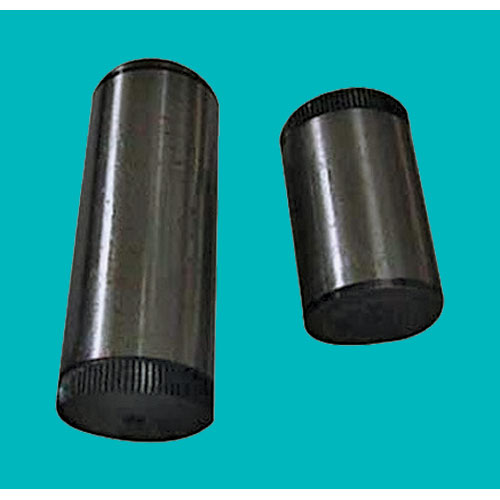
Ground Pins
ABRASIVES & FINISHING EQUIPMENT
Hans Machineries Private Limited offers a wide range of pins, hardened & ground. Read more
latest News
Subscribe to iNoW

For Industry News on WhatsApp, Give a Miss Call on: +91 84228 74016