






Schedule a Call Back


Automation boosts control and visibility across production: Rajat Kulshreshtha
 Articles
- Sep 26,26
As steel manufacturing moves towards smarter, connected operations, Ashlin Rajan speaks with Rajat Kulshreshtha, CBO, BMW Industries Limited, on technology-led transformation in downstream industry.

Could you briefly introduce BMW Industries and its role in India’s downstream steel ecosystem? How is the company leveraging smart manufacturing, automation and digital technologies?
BMW Industries operates in the downstream steel segment, processing steel into application-ready products for automotive, infrastructure, engineering and other manufacturing industries. Downstream processing is an important link between primary steel production and the specific requirements of end users. We are also coming up with a greenfield project at Bokaro, having the entire downstream complex right from CRM, CGL and CCL covering the entire value chain of downstream steel manufacturing.
Technology is becoming an important enabler in this segment. Automation can improve process control and material utilisation, while digital monitoring can provide greater visibility across production. Data-led systems can also support traceability and faster decision-making. Recently, we have done a comprehensive overhaul of our SAP platform and associated IT systems. The upgraded digital architecture is expected to improve operational visibility, enhance controls and support scalable growth.
The broader industry direction is towards combining manufacturing expertise with technology to deliver greater precision, reliability and value to customers.
For mid-sized and capital-intensive steel processors, which automation and process-control technologies can deliver the most meaningful gains in productivity and ROI?
For mid-sized steel processors, the strongest returns are likely to come from technologies addressing specific operational priorities. Predictive maintenance and condition monitoring can improve equipment availability by identifying potential issues early.
On-line quality inspection is another useful application, particularly for continuous monitoring. The key is to adopt automation progressively, beginning with processes where the operational benefits are measurable. This makes technology investments more focused and allows companies to scale solutions based on demonstrated value.
How can data-led quality systems help downstream manufacturers improve consistency and meet increasingly stringent OEM requirements?
Data-led quality systems can make manufacturing more proactive. By continuously capturing process parameters, manufacturers can identify variations early and understand where they originate. Statistical process control can help monitor these trends and enable timely corrective action.
For downstream steel processors, this can improve batch consistency, simplify root-cause analysis and provide customers with greater visibility. As OEM expectations evolve, data is becoming an increasingly important component of quality management, alongside the physical specifications of the product.
What role do quality standardisation and traceability play in strengthening India’s downstream steel competitiveness?
Reliable documentation and batch-level traceability can strengthen quality control, enable quicker root-cause analysis and build greater customer confidence.
For the industry, these capabilities can also support movement into higher-value applications where quality assurance and process transparency are critical.
Why is downstream processing and value addition critical alongside expanding primary steel production for India’s manufacturing ambitions?
Primary steel capacity is the foundation, but downstream processing converts it into products suited to specific industrial applications. As India expands automotive, infrastructure, engineering and capital goods manufacturing, the need for precision and application-specific steel will grow.
The National Steel Policy also highlights the importance of higher-grade automotive, electrical and special steels. This makes downstream capabilities critical to India’s manufacturing ambitions. A strong processing ecosystem can enable greater value addition, precision and customisation, ensuring that India not only produces more steel but also captures greater value from it.
How can mid-cap industrial companies adopt smart manufacturing through a phased and cost-effective approach?
Smart manufacturing can be adopted through a phased approach rather than a large, one-time investment. Companies can begin by upgrading existing equipment with sensors, connectivity and IIoT solutions, rather than replacing entire systems.
Cloud-based analytics can also provide access to monitoring and data capabilities without extensive infrastructure. The focus should initially be on use cases such as predictive maintenance, energy monitoring, production visibility or quality control where benefits can be measured clearly.
Workforce training is equally important to ensure teams can use these technologies effectively. This approach allows mid-cap manufacturers to build digital capabilities progressively while keeping investments aligned with operational priorities.
How can Atmanirbhar Bharat and stronger domestic supply chains accelerate growth in downstream steel processing?
Yes, stronger domestic supply chains can support greater investment in downstream steel processing. As automotive, capital goods, infrastructure, renewable energy, EV and strategic manufacturing expand, demand for specialised and application-ready steel products is likely to grow.
Key opportunities include auto-grade and electrical steel processing, precision products for engineering and capital goods, and applications linked to renewable energy, EVs and strategic sectors. Developing these capabilities can support import substitution while helping Indian manufacturers integrate more deeply with global supply chains.
A stronger downstream ecosystem can therefore support domestic manufacturing and India’s ambition to participate in higher-value manufacturing opportunities.
How will smart manufacturing reshape India’s downstream steel ecosystem over the next five years?
Over the next five years, smart manufacturing is likely to move from individual automation initiatives towards more connected, data-driven operations. Greater process automation, real-time monitoring and digital quality systems will form the foundation, followed by wider use of predictive analytics for maintenance and production planning.
The next competitive differentiator will be the ability to connect manufacturing systems more closely with customer requirements and supply chains. Capacity and cost will remain important, while responsiveness, process visibility and reliability will gain greater weight.
For India’s downstream steel industry, the opportunity is to use technology to make manufacturing more precise, transparent and responsive while building the skilled workforce required to support this transition.
BLURBS – ONLY FOR PRINT
As OEM expectations evolve, data is becoming an increasingly important component of quality management.
India’s manufacturing ambitions require capabilities that go beyond steel production towards higher-value processing.
BMW Industries Limited
Rajat Kulshreshtha
downstream steel processing
smart manufacturing
Industry 4.0
digital transformation
steel manufacturing
automation
Ashlin Rajan
Related Stories
Material Handling Equipment
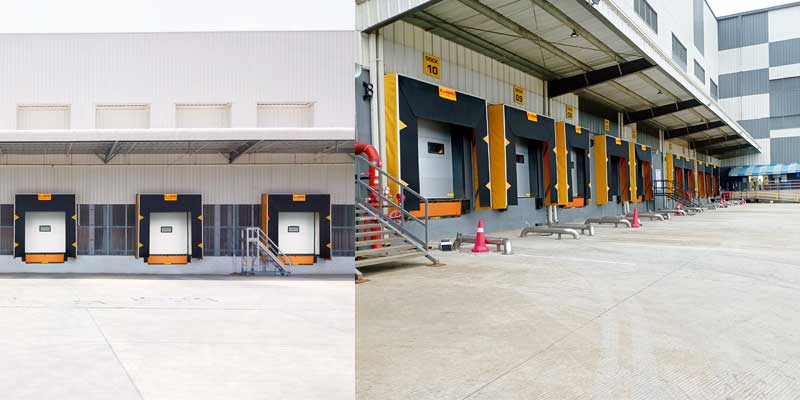
Gandhi Automations strengthens loading bays with advanced dock shelters
Gandhi Automations offers retractable, cushion and inflatable dock shelters designed to improve loading bay safety, insulation, energy efficiency and protection
Read moreAerospace Defence

India must move from sourcing to aerospace exports: Agnishwar Jayaprakash
Agnishwar Jayaprakash, Founder and CEO, Garuda Aerospace speaks to Ashlin Rajan on India’s aerospace manufacturing, indigenous technology, advanced systems and the road to global competitiveness.
Read moreSmart Manufacturing
Operational Optimisation: Automation – When And How Much?
As we put our efforts into optimising our operations, we journeyed from discussions on operational flow, including the “why”, “where”, “what” and “how”, before looking at data-based ..
Read moreRelated Products

Automotive Oil Pump
AUTO COMPONENTS & ACCESSORIES
Kalpak Auto Pvt Ltd offers a wide range of
automotive oil pump.
Tata Motors unveils facilities for development of Hydrogen propulsion tech
AUTO COMPONENTS & ACCESSORIES
Tata Motors, India?s largest automobile company, unveiled two state-of-the-art & new-age R&D facilities for meeting its mission of offering sustainable mobility solutions. The unveilings constitute of Read more
Tata Motors plans petrol powertrain for Harrier and Safari SUVs
AUTO COMPONENTS & ACCESSORIES
Tata Motors is in the process of developing a new petrol powertrain for its premium sports utility vehicles, the Harrier and Safari, as confirmed by a senior company official. Currently, these models Read more
latest News
Subscribe to iNoW

For Industry News on WhatsApp, Give a Miss Call on: +91 84228 74016