






Schedule a Call Back


The factory of tomorrow is drawn on today's engineering desk
 Articles
- Sep 30,26
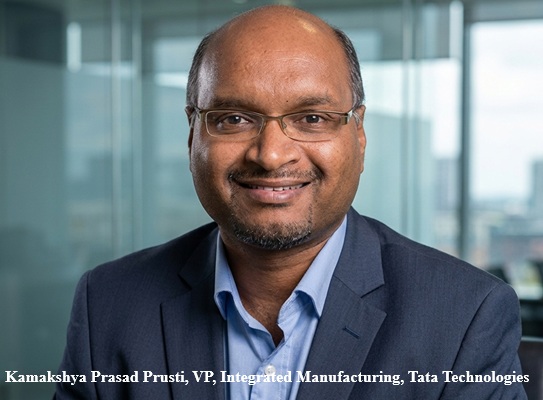
India’s manufacturing future will depend on integrating product engineering, digital tools and factory design to build smarter, flexible operations, writes Kamakshya Prasad Prusti, VP, Integrated Manufacturing, Tata Technologies.
A few years ago, I stood beside an assembly line watching an operator reach awkwardly behind a bracket to fasten a single bolt. He did it hundreds of times a shift, twisting his wrist at an angle nobody would choose. The plant manager shrugged when I asked. The design had been frozen long before the line was built. Moving the fastener by a few centimetres would have meant reopening validation, retooling a fixture and delaying a launch. So, the factory absorbed the cost, one bolt at a time.
I have thought about that operator often. Anyone who has worked around production has a version of that story. A tolerance that looked harmless on screen but demands a slower machining process. A part that cannot be reached by a robot arm. A late change that ripples through suppliers for months. None of these problems begin on the shop floor. They simply show up there.
For decades, that was simply how things worked. Product engineers designed, manufacturing engineers worked out how to build it, and the factory made whatever compromises were left. The handover was sequential, and friction at each stage was treated as the price of doing business.
I think that model is running out of room. Products now carry far more software, electronics and variants than those I saw early in my career. A vehicle, an aerospace assembly or an industrial machine may change its configuration several times during its production life. Factories are expected to switch between models, absorb new materials and respond to supply disruptions without long shutdowns. When the product keeps moving, a factory designed around a frozen assumption becomes expensive very quickly.
In practical terms, the most consequential manufacturing decisions are made before any equipment is ordered. The choice of a joining method, the modularity of a product architecture and the sequence of assembly fix most of a product's cost and much of a factory's flexibility years in advance. Product value realisation is therefore settled long before anything is built.
This is where digital engineering earns its place. What matters about model-based definition, simulation and a digital twin is timing. An engineer can ask what happens on the line if a design changes, while the answer is still cheap. A manufacturing engineer can test a station layout virtually, run a reach and collision study before a robot is bought, or commission control logic against a simulated cell. Someone could have seen that operator's awkward reach long before he ever made it.
Deloitte's 2025 Smart Manufacturing Survey of 600 executives at large manufacturers in the United States found that 92 per cent see smart manufacturing as the main driver of competitiveness over the next three years. Yet the same respondents rated human capital as the least mature part of their efforts. That gap tells me the tools are arriving faster than the ways of working around them.
AI sits squarely inside that gap. I have seen it do genuinely useful work, sifting inspection and warranty data for patterns a team would take weeks to find, drafting technical documentation, reading vibration signatures to flag a bearing before it fails, or generating design alternatives worth a second look. Trained on past simulation runs, it approximates results in minutes. But AI is only as good as the engineering data and processes it draws on. If product and manufacturing data live in disconnected systems, AI simply produces faster confusion. If anything, the engineer's judgement matters more, because someone still has to decide which of many plausible answers is right.
That is the case for integrated manufacturing, where engineering, planning and the shop floor work from one definition of the product. It also places a different demand on people. The engineers I find most effective today are comfortable crossing boundaries. They understand mechanical design, but they also read software, question data and think about the whole system. Few educational pathways produce them deliberately. Most organisations grow them by rotating people across product and production roles and letting them see the consequences of their decisions.
For India, this carries particular weight. NITI Aayog's roadmap for advanced manufacturing, released in October 2025, estimates that failing to adopt frontier technologies could cost the country around US$270 billion in potential manufacturing GDP by 2035. I read that less as a technology warning and more as an engineering one. India already has deep engineering talent and a growing role in global supply chains. The next step is moving from manufacturing scale to manufacturing sophistication, and that happens where products and factories are designed together.
Somewhere today, an engineer is placing a fastener, choosing a material or approving a layout. Whether a future operator reaches for that bolt comfortably, or twists his wrist a thousand times a shift, is being decided at that desk right now.
About the author:
Kamakshya Prasad Prusti is the Vice President (Integrated Manufacturing) at Tata Technologies.
Integrated Manufacturing
Digital Engineering
Smart Manufacturing
Digital Twin
Artificial Intelligence
Tata Technologies
Advanced Manufacturing
Industry 4.0
industrial automation
Related Stories
Smart Manufacturing
The factory of tomorrow is drawn on today's engineering desk
India’s manufacturing future will depend on integrating product engineering, digital tools and factory design to build smarter, flexible operations, writes Kamakshya Prasad Prusti, VP, Integrated ..
Read moreSmart Manufacturing
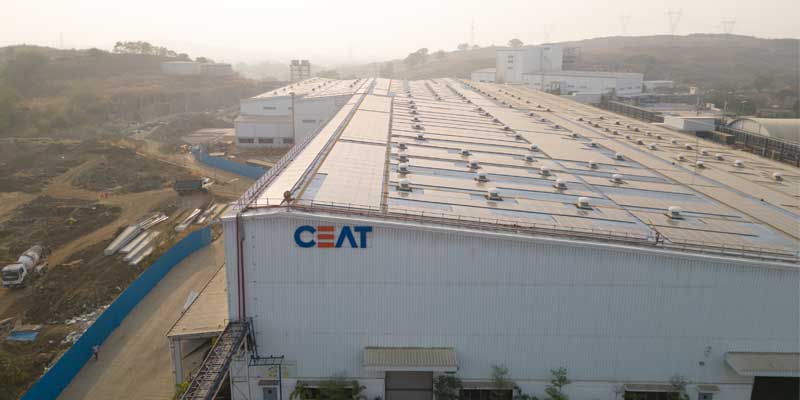
CEAT Ambernath Drives Smarter Tyre Manufacturing
CEAT’s Ambernath plant combines AI, automation, digital traceability and lean manufacturing to produce over 1,200 tyre variants, even efficiently handling an minimum order quantity of one.
Read moreSmart Manufacturing
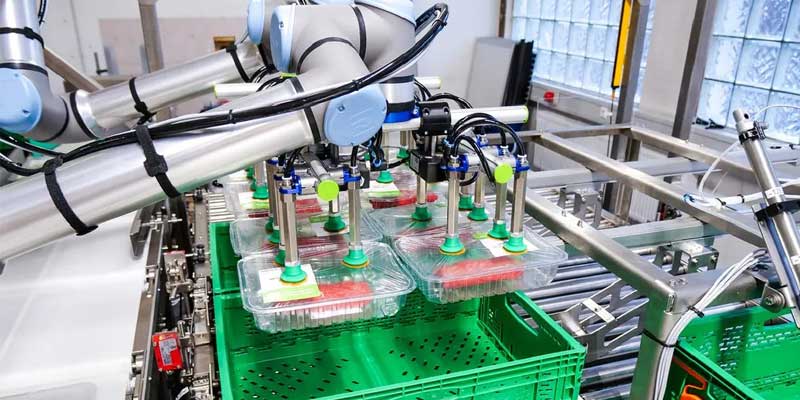
Schmalz enables smarter manufacturing with electric vacuum technology
Schmalz’s electric vacuum generators enable flexible automation, reducing energy use while supporting mobile robotics and digital manufacturing
Read moreRelated Products
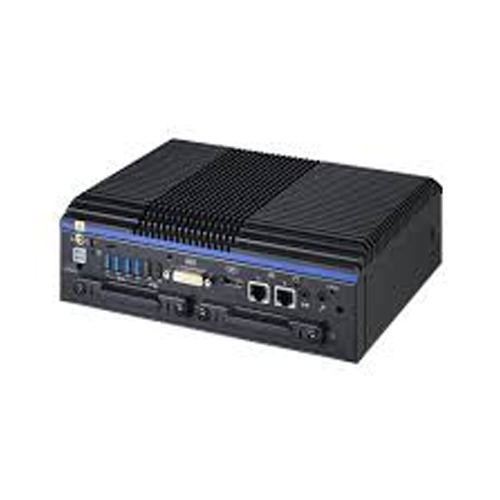
Fanless Industrial Pc for Smart Manufacturing
Smart Manufacturing
CONTEC Launches BX-M4600 Series - Fanless Industrial PC for Smart Manufacturing.
latest News
Subscribe to iNoW

For Industry News on WhatsApp, Give a Miss Call on: +91 84228 74016