



Schedule a Call Back


Imports make up 60% of India’s machine tool: Jibak Dasgupta
 Articles
- Oct 30,26
Despite fourfold growth since 2014, imports still supply 60% of India’s machine tool demand by value. Jibak Dasgupta, Director General & CEO, IMTMA, tells Ashlin Rajan how India can build global capabilities.

How has Make in India transformed India’s machine tool industry, and where has progress fallen short?
The Indian machine tool industry has made significant progress since 2014, with domestic manufacturers expanding their production capabilities, product portfolios and market presence.
Historically, demand was driven predominantly by the automotive and auto component sectors. Today, it is more diversified, with emerging opportunities in electronics, semiconductor manufacturing, aerospace, defence, railways, renewable energy and other sectors.
In rupee terms, the industry has grown more than fourfold since FY2014-15. Production increased from about Rs 42.3 billion to Rs 173.87 billion in FY2025-26, registering a compound annual growth rate of approximately 13.7 per cent. The Indian machine tool industry moved from 14th to ninth in global production, and from 10th to fifth in consumption, according to the World Machine Tool Survey by Gardner Intelligence.
While the industry has been growing at a satisfactory rate annually, imports continue to account for around 60 per cent of domestic consumption by value. This shows that the challenge is not merely to increase production capacity, but also to strengthen indigenous technology, precision engineering, reliability and the development of critical machine tool aggregates.
Why do imports of Rs 219.32 billion exceed production of Rs 173.87 billion, and how can India close the gap?
Despite the progress achieved over the last decade, India has not yet become a machine-building economy. Imports exceed domestic output, reflecting technology gaps, critical component dependencies, customer preferences and the need to serve increasingly sophisticated manufacturing applications.
The high-end segment, comprising precision five-axis machines, large HMCs, grinding machines and complex multitasking machines, continues to be largely served by imports. This dependence extends to the supply chain: critical components such as CNC controllers, high-speed spindles, precision ball screws, linear guideways, servo drives and sensors are also largely imported. Access to some advanced technologies is constrained by export controls and supplier restrictions.
Global manufacturers have established reputations, extensive application engineering capabilities and long-standing relationships with major customers. Indian manufacturers must demonstrate comparable reliability, accuracy and life-cycle performance to win these customers.
India needs stronger, globally aligned testing and certification facilities for machine tool aggregates and subsystems. These will help domestic developers validate performance, establish customer confidence and accelerate commercialisation.
Machine tool development involves long gestation periods, specialised engineering and sustained investment. MSMEs may be reluctant to expand capacity or develop technology when future demand and returns remain uncertain. Access to capital is therefore important. Indian machine tool builders also need to work closely with end users in newer sectors such as semiconductor and electronics manufacturing, which have specialised requirements.
Import dependence cannot be addressed through capacity expansion alone. India must simultaneously develop technology, critical aggregates, testing infrastructure and customer confidence.
How self-reliant is India in high-precision, multi-axis and intelligent machine tools?
The Indian machine tool industry has expanded its production capabilities and product portfolios. However, the high-end segment remains largely served by imports. This includes precision five-axis machines, large HMCs, grinding machines and complex multitasking machines.
The industry needs to strengthen its capabilities in advanced five-axis machining, high-speed machining, precision grinding, finishing and super-finishing technologies, as well as the associated process engineering. Several high-value aggregates depend significantly on overseas suppliers. These include ball screws, linear motion guides, CNC control systems, servo motors and drives, feedback elements, precision spindles and high-precision bearings.
The next phase of development should focus on sustained R&D to develop high-speed, high-precision and advanced multi-axis machines. This means building proprietary designs and improving accuracy, thermal stability, vibration control, process capability and competitive performance. A mission-mode programme is needed to develop critical aggregates, build technological sovereignty in strategically important areas and create globally competitive domestic suppliers.
Digitalisation should extend across the manufacturing ecosystem—from product design and factory operations to machine connectivity, remote diagnostics, predictive maintenance, energy monitoring and life-cycle services. The objective is to develop smart machines that deliver measurable improvements in productivity, reliability and operating efficiency.
Have policies addressed the industry’s needs? What gaps remain?
IMTMA has provided value-added inputs to the Government of India on the design, development and domestic manufacturing of critical machine tool aggregates. It has also contributed to the National Manufacturing Policy, which aims to strengthen domestic manufacturing, promote indigenous technology, enhance value addition, improve productivity and quality, and position India as a globally competitive manufacturing hub.
IMTMA organises VISION Conclaves to understand industry needs and develop a strategic roadmap for the growth and global competitiveness of the Indian machine tool industry. Regional Vision Conclaves take this broader vision to regional clusters, helping smaller industries understand, align with and contribute to the industry’s long-term goals. Through its UDAAN initiative, IMTMA is nurturing the next generation of industry leaders and encouraging young talent to contribute to India’s machine tool capabilities.
To support testing and validation, IMTMA played a central role in establishing the Advanced Machine Tool Testing Facility (AMTTF) in Bengaluru, with support from the Government of India under the Capital Goods Scheme. The facility provides advanced testing, calibration and performance evaluation services in line with international standards.
IMTMA also championed the establishment of the Advanced Manufacturing Technology Development Centre (AMTDC) at IIT Madras, with support from the Ministry of Heavy Industry. It provides a platform for industry-driven research and innovation. The initiative is funded 80 per cent by the Government of India and 20 per cent by industry, enabling manufacturers to develop indigenous technologies and commercialise them for wider industrial applications.
To build an ecosystem bringing together OEMs, supply chain partners, service providers, testing facilities and other stakeholders, IMTMA worked with the Government of India and the Government of Karnataka to establish Tumakuru Machine Tool Park near Tumakuru. Industries have started operating at the park.
IMTMA has established Technology Centres in Bengaluru and Pune to provide industry-relevant technical training. Through IMTEX and other industrial exhibitions at BIEC, it connects Indian manufacturers with domestic and international markets, facilitating business networking, technology exchange, market access and collaboration.
IMTMA has partnered with EY to develop a Strategic Vision Roadmap for the Indian machine tool industry. The roadmap seeks to provide a long-term framework for technology development, industry competitiveness and expansion of India’s role in the global machine tool industry. Together, these initiatives aim to support technology development, validation, commercialisation and scale.
Are SMEs moving into advanced machine tools and global supply chains? What support do they need?
MSMEs form an important part of the machine tool ecosystem. The expansion of sectors such as automotive, aerospace, defence, electronics and semiconductor manufacturing creates opportunities for machine tool builders, but these newer sectors also have specialised requirements. Indian builders need to work closely with end users to develop machines suited to their applications.
MSMEs may be reluctant to expand capacity or invest in technology when future demand and returns are uncertain. They need access to modern manufacturing equipment, advanced skills, digital technologies and affordable long-term finance. Patient capital is important for manufacturers undertaking long-cycle R&D, capacity expansion and technology acquisition.
Regional Vision Conclaves are intended to help smaller industries understand and contribute to the industry’s long-term goals. IMTMA’s UDAAN initiative encourages the next generation of industry leaders, while its Technology Centres in Bengaluru and Pune provide industry-relevant technical training and help equip the workforce for the changing needs of manufacturing.
How competitive are Indian machine tool makers globally, and what must improve?
The Indian machine tool industry has moved from 14th to ninth in global production and from 10th to fifth in consumption, according to the World Machine Tool Survey by Gardner Intelligence. Its production capabilities, product portfolios and market presence have expanded, and its demand base has diversified across several sectors.
However, imports still account for around 60 per cent of domestic consumption by value, and high-end machines and critical aggregates continue to depend heavily on overseas suppliers. Global manufacturers also have established reputations, extensive application engineering capabilities and long-standing customer relationships.
Indian manufacturers need to demonstrate comparable reliability, accuracy and life-cycle performance. Globally aligned testing and certification facilities can help validate products, establish customer confidence and support customer qualification in India and overseas. The industry also needs to strengthen domestic technology, precision engineering and critical component capabilities.
IMTMA’s trade development initiatives, including IMTEX and other industrial exhibitions at BIEC, provide platforms for business networking, technology exchange, market access and collaboration. These help manufacturers showcase innovations, explore business opportunities, strengthen supply chains and enhance the global visibility and competitiveness of the Indian machine tool industry.
What must India achieve by 2035 to become a leading machine tool producer?
The next phase of industry development should focus on six strategic priorities:
In technology development: invest in sustained R&D to develop high-speed, high-precision and advanced multi-axis machines, with proprietary designs and improvements in accuracy, thermal stability, vibration control, process capability and performance, in indigenous development of critical aggregates: develop ball screws, linear motion guides, CNC control systems, servo motors and drives, feedback elements, precision spindles and high-precision bearings, in world-class testing and certification: establish an independent national facility to test, validate, qualify and certify machine tool aggregates and subsystems, in sector-specific collaboration: work with end users in electronics, semiconductor manufacturing, aerospace, defence and other precision-intensive industries to develop specialised solutions, in digitalisation and smart manufacturing: extend digital tools across product design and factory operations, including connectivity, remote diagnostics, predictive maintenance, energy monitoring and life-cycle services, and finally in MSME modernisation with patient capital: give MSMEs access to modern equipment, advanced skills, digital technologies and affordable long-term finance.
The transformation should be phased. From 2026 to 2030, the focus should be on technology development, critical aggregate design, testing infrastructure, workforce development and technology acquisition, building a strong foundation for indigenous technology and improved product reliability.
From 2031 to 2033, the focus should shift to commercialisation, scaling up domestic suppliers, developing advanced machines and expanding sector-specific applications. This phase should strengthen the domestic industry’s ability to meet higher-value manufacturing requirements.
From 2034 to 2035, the focus should be on global competitiveness through advanced product platforms, exports and international customer qualification. The goal is to strengthen Indian manufacturers’ position in global markets through technology, quality and life-cycle performance.
Government support should include industry-led technology development programmes with clear technical and commercial milestones; funding mechanisms to accelerate access to technologies needed for next-generation machines; testing and validation infrastructure aligned with international standards; better access to patient capital for MSMEs; and structured partnerships among manufacturers, research institutions, technical universities and end users. Policy should reward innovation, reliability, productivity and domestic value addition while maintaining competitive market discipline. The government should also introduce technical institution curricula to train young engineers for the manufacturing industry.
Success should be measured by more than the growth of domestic production. Key indicators would include; a larger domestic share of Indian machine tool consumption, greater domestic design and manufacturing capability in critical aggregates, commercialisation of advanced, high-speed and high-precision machine tools, improved reliability, accuracy, repeatability and life-cycle performance, reduced dependence on imports in strategically important product categories, greater adoption of modern machinery and digital technologies by MSMEs, growth in exports and repeat business in international markets, and Stronger industry-led R&D, workforce capability and collaboration with research institutions
Indian machine tool industry
machine tool manufacturing in India
machine tool imports
CNC machine tools
precision engineering
domestic machine tool production
Make in India
IMTMA
Jibak Dasgupta
Ashlin Rajan
Related Stories
Automation & Robotics
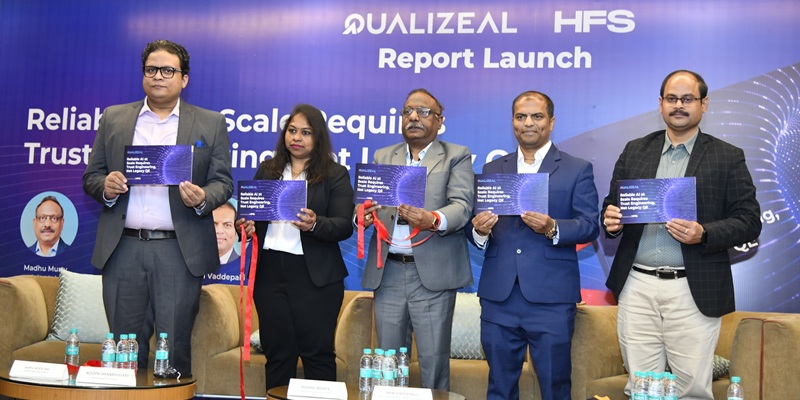
QualiZeal-HFS Study Exposes Major AI Testing Gaps Across Enterprises
QualiZeal-HFS study finds 57 per cent of US enterprises deploy GenAI, but only 15 per cent have dedicated AI testing frameworks.
Read moreAuto & Auto Components
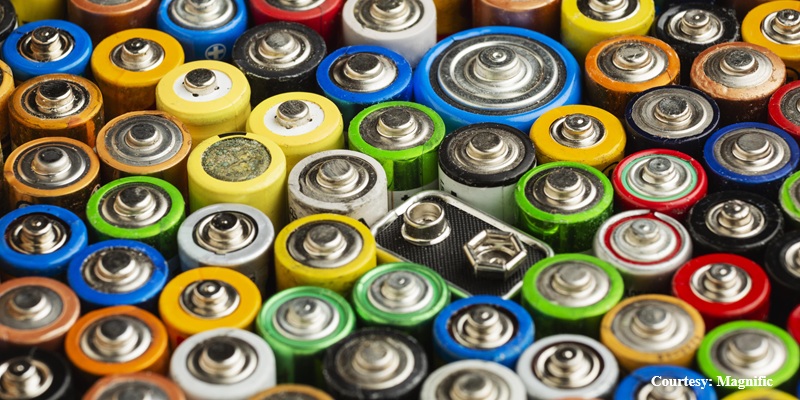
TACC Signs MoU for Supply of 40,000 Tonnes of EV Battery Anode Material
TACC signs a non-binding MoU with a global battery manufacturer for up to 40,000 tonnes of synthetic graphite anode material and joint R&D.
Read moreAuto & Auto Components
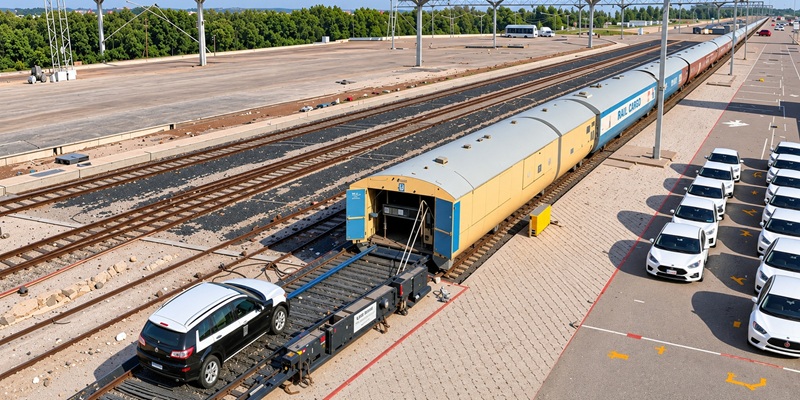
Jujhar Logistics orders 434 wagons from Texmaco to boost automobile transport
Jujhar Logistics invests Rs 3.295 billion in 434 auto carrier wagons from Texmaco to expand rail freight capacity and support greener automobile transport.
Read moreRelated Products
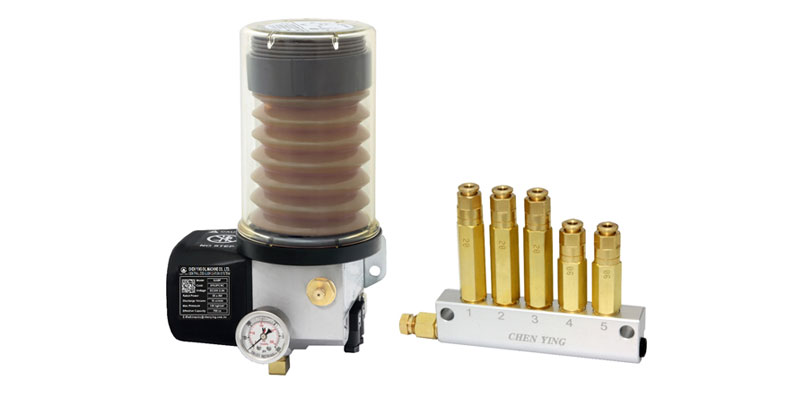
KABP-07 Electric Grease Lubricator
MACHINE TOOLS, POWER & HAND TOOLS
The KABP-07 features an efficient planetary gear motor and concealed safety switches. Paired with CFB Volumetric Distributors, it ensures consistent lubrication for industrial applications.
Read more
Hittco -SOLID Carbide Drills Engineered For Performance
MACHINE TOOLS, POWER & HAND TOOLS
Hittco Tools Ltd offers a wide range of hittco-solid carbide drills engineered for performance.
Read morelatest News
Subscribe to iNoW

For Industry News on WhatsApp, Give a Miss Call on: +91 84228 74016

Log In
To Contact this Supplier
Please Log In to your Account

INDUSTRIAL PRODUCTS FINDER (IPF) is India’s only industrial product portal. Referred to as the ‘Bible’ of the manufacturing sector in India,
SPECIAL OFFER

Hi There!
Now get regular updates from IPF Magazine on WhatsApp!
Click on link below, message us with a simple hi, and SAVE our number
You will have subscribed to our Industrial News on Whatsapp! Enjoy